
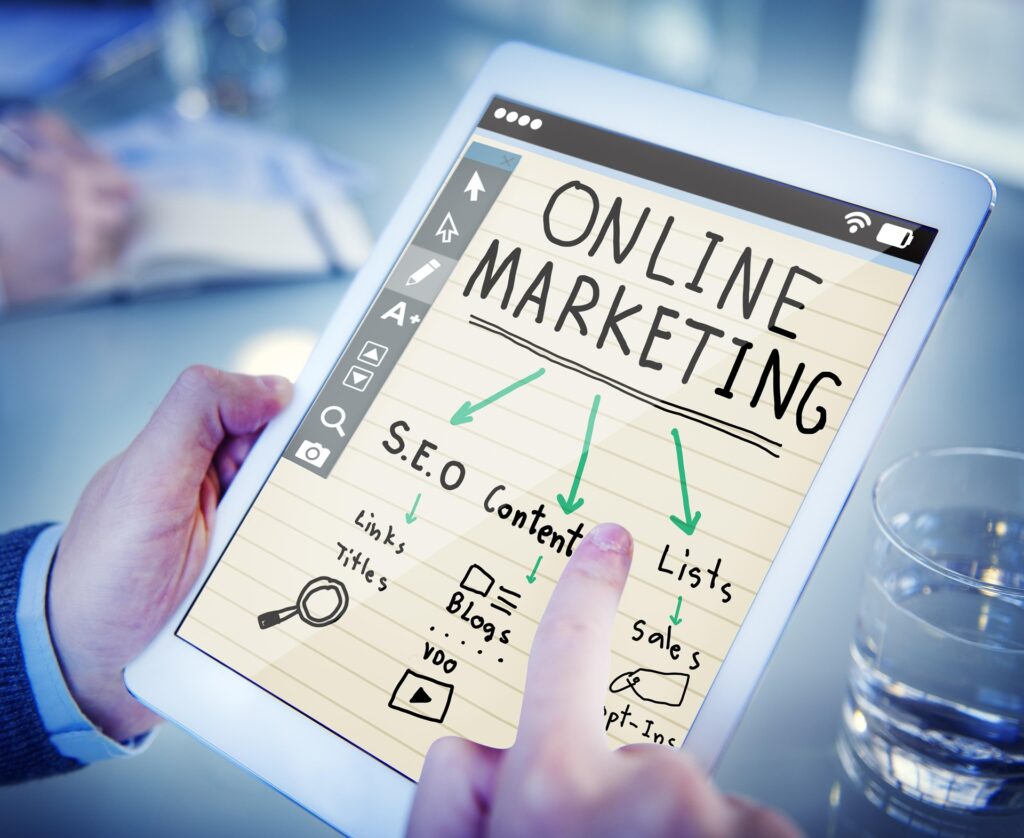
In today’s fast-paced digital environment, businesses can no longer rely on traditional marketing methods alone. Customers are —searching, scrolling, comparing, and buying. This shift has made online marketing one of the most powerful tools for reaching the right audience and driving sustainable business growth.
Whether you are a startup, small business, or established brand, digital marketing helps you connect with customers at every stage of their journey.
What Is Online Marketing?
This marketing refers to promoting products or services using digital channels such as search engines, social media, websites, email, and online advertising platforms. The goal of online marketing is to attract potential customers, engage them with valuable content, and convert them into loyal buyers.
Unlike offline marketing, online marketing is highly measurable, cost-effective, and scalable.
Why Online Marketing Is Important for Businesses
Online marketing has become essential because consumer behavior has changed.
Key benefits of online marketing include:
- Increased brand visibility
- Targeted audience reach
- Cost-effective promotion
- Real-time performance tracking
- Higher return on investment (ROI)
- Better customer engagement
- With the right strategy,marketing allows businesses to compete effectively—regardless of size.
Key Types of Online Marketing
A successful online marketing strategy often combines multiple channels to maximize results.
1. Search Engine Optimization (SEO)
SEO focuses on improving your website’s visibility in search engine results. Strong SEO helps drive organic traffic and long-term growth.
2. Content Marketing
Content marketing involves creating blogs, videos, guides, and social content that educate and engage your audience while supporting SEO efforts.
3. Social Media Marketing
Social platforms like Instagram, Facebook, LinkedIn, and TikTok help brands build relationships, increase awareness, and drive traffic.
4. Paid Advertising (PPC)
Online ads such as Google Ads and social media ads deliver fast, targeted results when managed correctly.
5. Email Marketing
Email marketing helps nurture leads, retain customers, and promote products directly to interested audiences.
Online Marketing vs Traditional Marketing
| Online Marketing | Traditional Marketing |
|---|---|
| Highly measurable | Difficult to track |
| Cost-effective | Often expensive |
| Targeted audience | Broad audience |
| Real-time optimization | Limited flexibility |
Online marketing provides better control and insights compared to traditional methods.
How to Build an Effective Online Marketing Strategy
1. Define Clear Goals
Set measurable goals such as website traffic, leads, or sales.
2. Understand Your Audience
Know your customers’ needs, interests, and online behavior.
3. Choose the Right Channels
Focus on platforms where your audience spends the most time.
4. Create Valuable Content
Quality content builds trust and positions your brand as an authority.
5. Track and Optimize
Use analytics tools to monitor performance and improve campaigns continuously.
Common Online Marketing Mistakes to Avoid
- No clear strategy or goals
- Ignoring SEO fundamentals
- Focusing only on ads without content
- Inconsistent branding and messaging
- Not analyzing performance data
Avoiding these mistakes leads to better results and long-term success.
The Future of Online Marketing
Online marketing continues to evolve with trends such as:
- AI-driven marketing tools
- Voice and visual search
- Video-first content
- Personalized customer experiences
- Automation and data-driven strategies
Businesses that adapt quickly will gain a strong competitive advantage.
Final Thoughts
Online marketing is no longer optional—it’s a necessity for business growth in the digital age. When done strategically, online marketing helps you attract the right audience, build trust, and achieve measurable results.
By combining the right channels, valuable content, and data-driven decisions, online marketing can become your most powerful growth engine.