

In an increasingly competitive digital landscape, businesses can no longer afford to rely on guesswork. Every marketing dollar must deliver measurable results. This is where marketing stands out.
Performance marketing focuses on results you can track, measure, and optimize—whether that’s clicks, leads, sales, or revenue. Brands only pay when a specific action is completed, making it one of the most efficient forms of digital marketing today.
A complete guide to performance marketing, including key channels, benefits, and metrics that help businesses track and improve ROI.
What Is Performance Marketing?
This marketing is a digital marketing strategy where advertisers pay only when a desired action occurs. These actions can include:
- Website clicks
- Lead form submissions
- App installs
- Purchases
- Sign-ups or subscriptions
Unlike traditional advertising, built on data, analytics, and ROI.
Why Performance Marketing Matters
It gives businesses full visibility into how their campaigns are performing and where their budget is going.
Key benefits include:
- Measurable results in real time
- Cost-effective advertising
- Scalable campaigns based on performance
- Better targeting and personalization
- Improved return on investment (ROI)
Every campaign can be optimized continuously for better results.
Key Channels in Performance Marketing
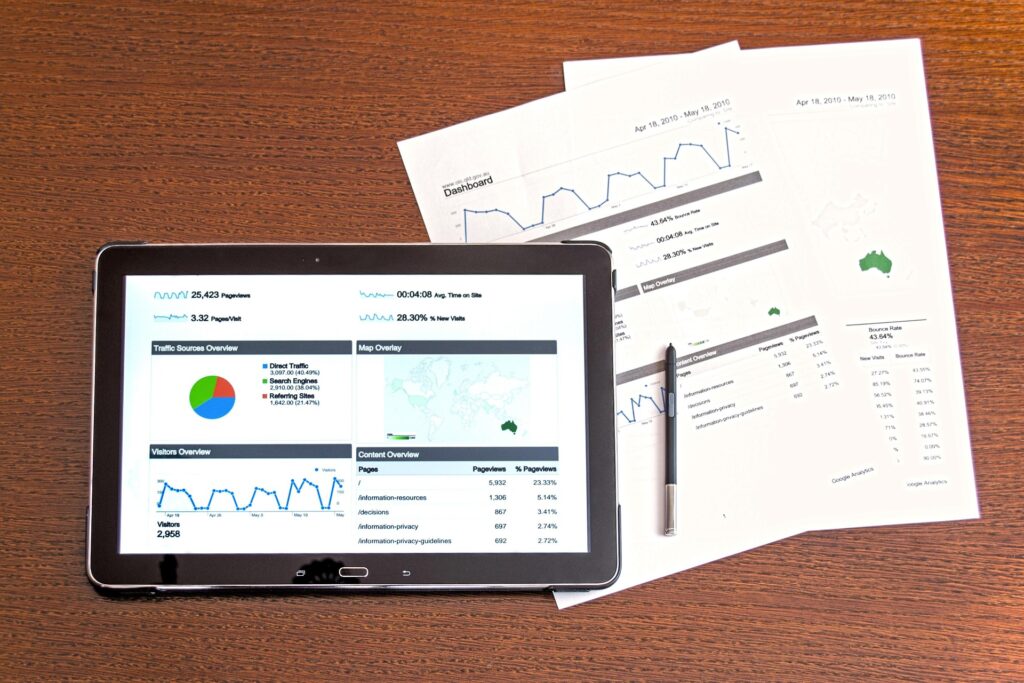
Successful marketing campaigns often use multiple channels to maximize reach and conversions.
1. Search Engine Marketing (SEM)
Paid search ads on platforms like Google and Bing target users with high purchase intent.
2. Social Media Advertising
Platforms such as Facebook, Instagram, LinkedIn, and TikTok allow precise audience targeting and real-time performance tracking.
3. Affiliate Marketing
Brands partner with affiliates who promote their products and earn a commission based on performance.
4. Display & Programmatic Ads
These ads reach users across websites and apps using automated bidding and audience data.
5. Email & Retargeting Campaigns
Retargeting brings back users who previously interacted with your brand but didn’t convert.
Performance Marketing vs Traditional Marketing
| Performance Marketing | Traditional Marketing |
|---|---|
| Pay for results | Pay for exposure |
| Data-driven | Estimate-based |
| Easy to measure ROI | Hard to track |
| Highly scalable | Limited optimization |
How Performance Marketing Works
Step 1: Define Clear Goals
Identify what success looks like—leads, sales, app installs, or subscriptions.
Step 2: Choose the Right Channels
Select platforms based on where your audience spends time.
Step 3: Launch & Track Campaigns
Use tracking tools like pixels, conversion APIs, and analytics platforms.
Step 4: Optimize Continuously
Adjust targeting, creatives, bidding strategies, and landing pages based on performance data.
Metrics That Matter in Performance Marketing
Key performance indicators (KPIs) include:
- Cost Per Click (CPC)
- Cost Per Lead (CPL)
- Cost Per Acquisition (CPA)
- Conversion Rate
- Return on Ad Spend (ROAS)
- Lifetime Value (LTV)
These metrics guide smarter decisions and budget allocation.
Common Performance Marketing Mistakes
- Focusing only on traffic instead of conversions
- Poor landing page optimization
- Ignoring data and analytics
- Lack of A/B testing
- Scaling campaigns too quickly
Avoiding these mistakes ensures sustainable growth.
The Role of Creativity in Performance Marketing
While performance marketing is data-driven, creativity still matters. Compelling ad copy, strong visuals, and clear calls-to-action can significantly improve campaign performance.
Data tells you what is happening; creativity influences why users convert.
Final Thoughts
Performance marketing is not about spending more—it’s about spending smarter. With the right strategy, tools, and optimization, businesses can achieve predictable, scalable growth while maintaining control over their marketing budgets.
If you want measurable results, transparency, and performance-focused growth, performance marketing is the way forward.